
1. The T-cell engager space has reached a pivotal moment, with increasing clinical validation and regulatory approvals and movement from haematological malignancies into solid tumors. From your perspective, where do you expect to see the next breakthroughs in 2026?
I believe that the HLA-presented target space is where the most exciting breakthroughs will come in 2026. It represents a vast, largely unrealised target space with strong links to disease biology and wider therapeutic windows and we’re developing the tools to unlock it. I’m also particularly interested in the progress we’re making on the therapeutic windows for CD3- T cell Engagers, and the huge clinical opportunities that opens up to move into combination with CPIs/targeted therapies in first line metastatic settings, as well as ultimately adjuvant/neoadjuvant where we know immunotherapies can have significant impact.
2. Solid tumors have historically been more challenging for T-cell engager therapies. What key breakthroughs or approaches do you believe will be required to fully unlock their potential in this setting?
Target selection is the critical bottleneck. Surface antigens with clean therapeutic windows are scarce, and the field is running out of easy options. The intracellular space oRers a far richer target landscape, but the challenge has been identifying HLA-presented peptides with suRicient copy number to drive robust anti-tumour responses. Traditional approaches based on RNA analysis often land on targets that are simply too low copy number, a problem that we believe that we are tackling with our pHLA quantification platform.

3. As the field matures, what strategic shifts are you seeing in how companies approach the design and development of next-generation T-cell engagers?
T cell engagers have demonstrated activity in tumour types that have historically failed to respond to immunotherapy, including cold tumours and checkpoint-refractory settings. That is driving a strategic shift in how companies are approaching indication selection, with an increasing confidence that these agents can be moved into a broad range of solid tumour types.
Beyond indication selection, there is a clear shift toward more sophisticated molecule engineering, primarily around the areas of PK half-life extension and reducing CRS risk whilst maintaining potency, considerations which were key to us when designing our TSynapse platform.
4. With multiple immuno-oncology modalities advancing simultaneously, how do you see T-cell engagers positioning themselves within the broader treatment landscape over the coming decade?
T cell engagers have demonstrated incredibly promising response rates as monotherapies in late-stage settings with tarlatamab in second-line small cell lung cancer as the prominent example. Given this success, where other immunotherapies have failed, there is now a strong mechanistic rationale for combination with standard-of-care in first line. With the work that we have undertaken on widening therapeutic windows, there is no reason to suggest that these agents won’t be safe enough to advance into adjuvant or neoadjuvant settings.
5. Collaboration has been a major driver of innovation in this space. How important are partnerships between biotech, pharma, and academia in advancing T-cell engager development?
Building a T cell engager platform to eRectively target HLA-presented peptides requires deep, integrated expertise. Our T-Synapse platform, for example, had to be developed cohesively and entirely in-house, to ensure that the geometry of our TCR-Ab, anti-CD3, linkers and broader format work together for optimal canonical synapse formation. We do not believe that assembly from in-licensed parts is suRicient in such a complex space; end-to-end platform ownership is important.
That said, the molecules that we are moving to clinic are positioned in very significant indications. It is diRicult for a biotech to realise these clinical opportunities alone, especially for example with conducting large-scale studies in colorectal or lung cancer.
6. At the 8th T-Cell Engagers Therapeutics Summit, you’ll be presenting on “Unlocking Intracellular Targets Through Synapse-Optimized T Cell Engagers”. Can you give us a preview of the key ideas or findings you’ll be sharing with attendees?
We will be discussing the use of our platform to discover and validate clean intracellular targets with high pHLA copy number, and to generate synapse-optimised T cell engagers against these targets. We will focus primarily on two topics. Firstly, we will share data demonstrating the importance of peptide copy number in generating durable anti-tumour responses. Secondly, we will share data demonstrating how we have optimised to be able to achieve highly eRicient immune synapse formation, potency, and therapeutic window whilst minimising non-specific T cell binding and cytokine release.
7. For attendees deciding which sessions to attend, what makes your presentation particularly valuable for those working to advance T-cell engager therapeutics? And, why are you excited to join and participate in the 2026 event?
We are looking forward to showing data demonstrating that, with the right approaches, the intracellular target space will open up significant new opportunities for T cell engagers in solid tumours. We are very excited to showcase our transformative lead programme, TC11, which is a TCE against a high-copy number novel intracellular target that we are moving towards IND next year.
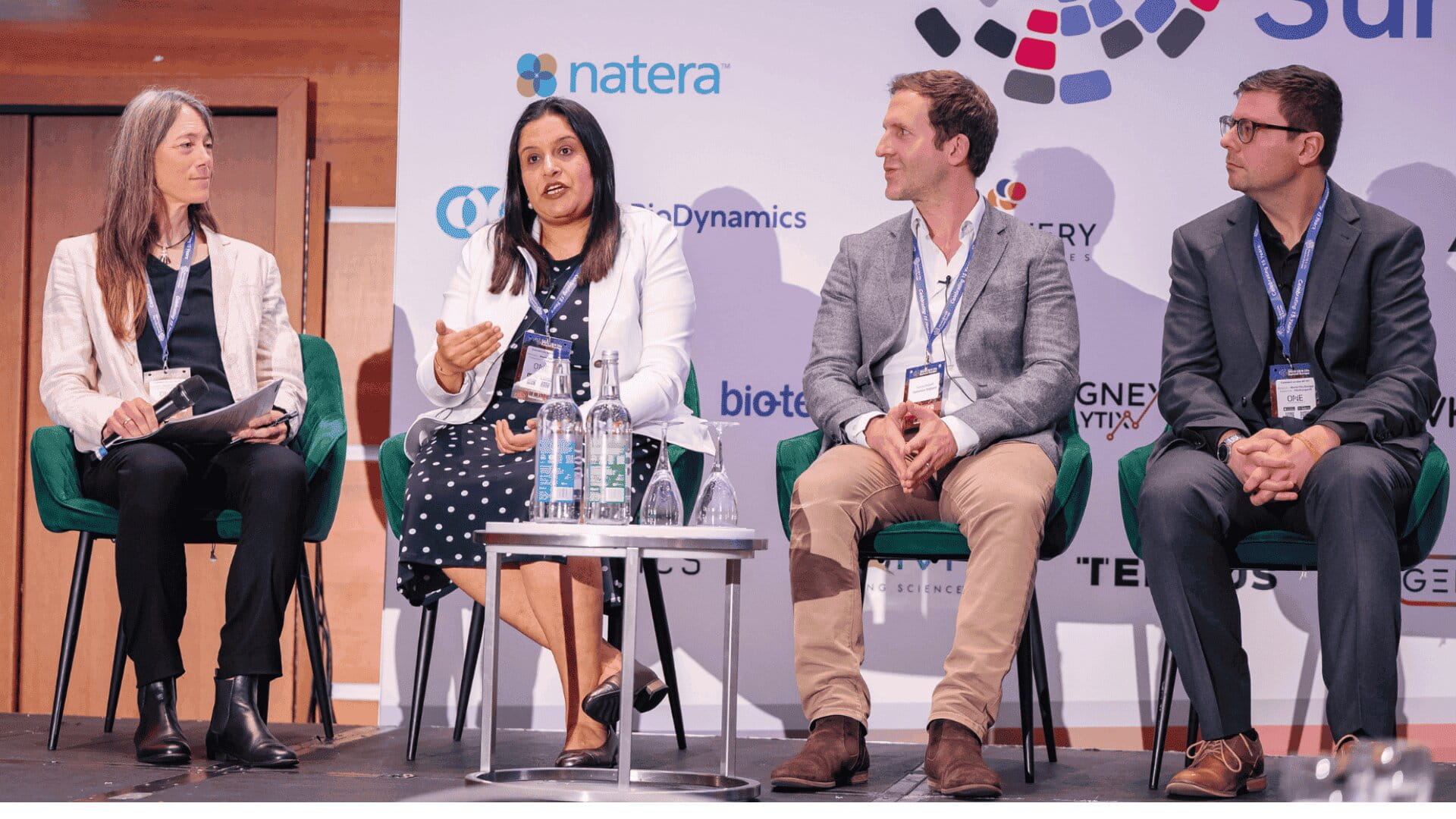
Explore the Brand-New Agenda
Hear the latest industry breakthroughs in T-Cell Engager development and gain exclusive modality and platform insights during our packed agenda.
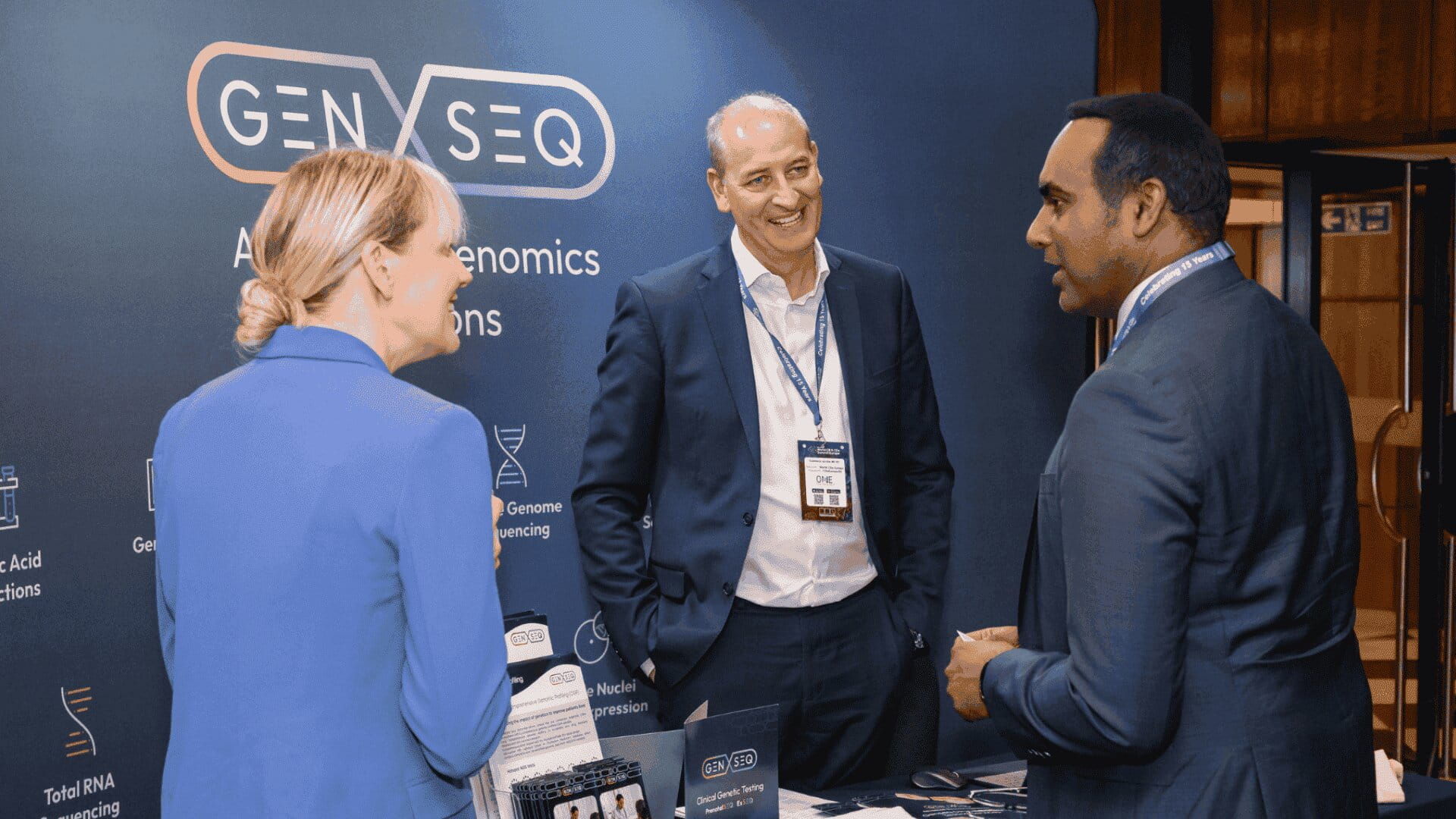
Partner With Us
Position yourself as the go-to service provider of the rapidly progressing T-Cell Engager landscape to ensure your brand is at the heart of deals in this evolving space.

Join Biopharma Experts
Be part of the most critical conversations shaping the future of solid tumor and autoimmune therapy, where you can connect with like-minded experts across every stage of drug development.